L' AOC Saint-Joseph is celebrating its 70th anniversary. This milestone invites us to reflect on the journey so far. Behind the current renown of this wine from the Vallée du Rhône In the northern region, a unique trajectory is emerging, driven by winegrowers determined to reclaim the hillsides and place quality at the heart of the... appellation .
by
Cécile DE BLAUWE
THE
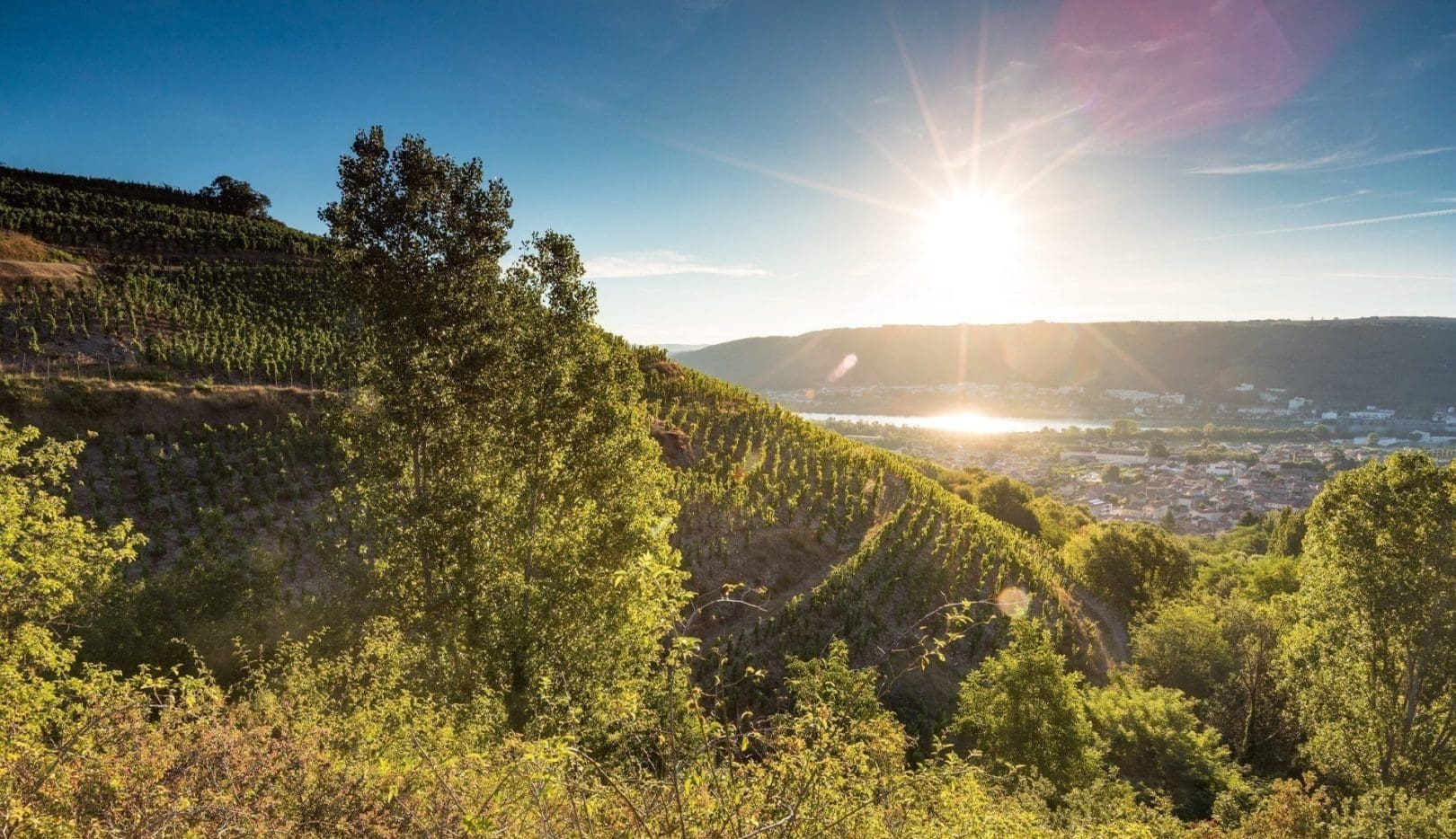
It's impossible to understand the appellation Saint Joseph without looking up. From the right bank of the Rhône It is first revealed through the landscape: vertiginous granite hillsides, vines trained on stakes, planted on narrow terraces called chaillées, where the soil is retained by dry stone walls. Here, producing wine is a heroic form of viticulture. Each row requires more time, more effort. Seventy years after its recognition, the appellation continues to write its history, between peasant memory and an engaged new generation.
An old story
If the AOC Saint-Joseph was officially established in 1956, but its history certainly doesn't begin there. Vines have been cultivated on these slopes of the right bank of the river since antiquity. Rhône On the very origin of the name of the appellation Several explanations circulate. It is common to present the "wines of Mauves," made famous notably by Victor Hugo in Les Misérables , as the former name of Saint-Joseph, supposedly renamed by the Jesuits in the 17th century. However, the archives suggest a more nuanced interpretation. Several local names coexisted, including Mauves, of course, but also Saint-Joseph, a place located south of Tournon, whose vineyards largely belonged to the Jesuits of the Collège de Tournon until the Revolution. Reaching a consensus among the various winegrowers is crucial. villages , INAO nascent… couldn't have happened on its own, so one might think that to avoid the news appellation It bears the name of a single commune, in this case Mauves, while the name of the most renowned terroir, Saint-Joseph, was chosen. What is certain is that the appellation does not start from a blank page: it is based on several identified and renowned names and localities around Tournon-sur- Rhône From 1935 to 1956, this sector fell under the jurisdiction of the appellation Côtes-du- Rhône , before Saint Joseph was promulgated by the INAO as appellation in its own right. The AOC then covered an area of approximately 90 hectares, spread over six municipalities north and south of Tournon.
A vineyard that has long been vulnerable
The creation of the AOC The 1956 recognition marked an important milestone, but it was not enough to erase the vineyard's vulnerabilities. Since the phylloxéra Much of the hillside vineyards have been abandoned, the wines sell poorly, while the work remains arduous and unprofitable. The early years of the appellation The region was no less affected: frost in 1956, a limited harvest in 1957, and then hail in 1958. While official recognition was granted, the momentum remained fragile. Jean-Louis Grippat, a former iconic winemaker of the region, remembers a vineyard where production remained low, often from old vines, and with limited resources. "We didn't have enough money to pay staff," he recalls. Even equipment was lacking. In the 1960s, winches were still reserved for large estates. Elsewhere, work was done with a pickaxe, sometimes with a horse when the slope allowed. In this context, only the wine-growing areas recognized by their clientele managed to survive.