Municipality of Pupillin in the Jura ©CIVJ Jerome Genée

Red wines from Jura : THE trousseau among the great

If the red wines of Jura While these things might have been amusing fifteen years ago, they are quite different today. Wines have changed considerably due to global warming coupled with a real awakening of awareness among winemakers, and the trousseau deserves to be seen now as a great grape variety rouge .

“Climate change plays a role in improving the quality of our red wines by contributing to higher natural alcohol levels, but this is only one aspect of the question Now, we can make good red wines even in years when global warming seems to be on hold, like in 2024. The other explanation is therefore technical. Jura historically, it is a region of white wines, and many winemakers have somewhat neglected their reds. Over the last ten to fifteen years, there has been a real increase in awareness regarding monitoring ripeness, the vinification , livestock farming, etc. It should be added that many producers have understood that if they want to make fine red wines, they need suitable terroirs and quality plant material.” And Frédéric Lambert, who makes these remarks, is a winemaker, but he also held the position of viticultural advisor at the Chamber of Agriculture for a long time. Jura He has field experience and therefore knows what he's talking about.

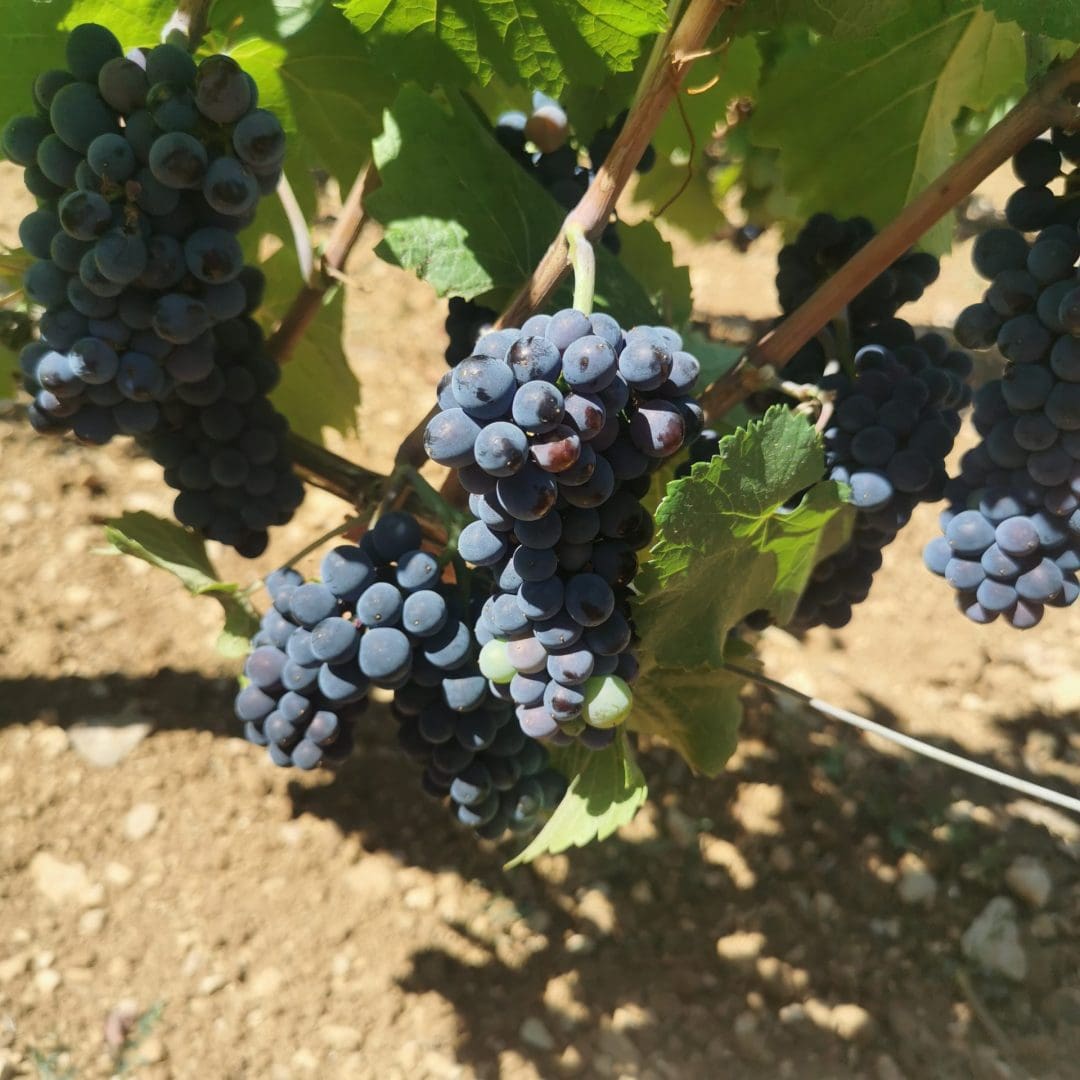
In the Jura We produce still red wines from three grape varieties: trousseau , poulsard And pinot noir The latter has a long history in the region, but its exact potential in the Jura remains to be assessed. poulsard and the trousseau are practically local specialties. Practically because you can find a little bit of poulsard in the Bugey (01) and more specifically in the Cerdon vineyard, and vines of trousseau in the Douro Valley (Portugal) where it is used in the production of Port wine, and in northwestern Spain, in Galicia. poulsard is an early-ripening, temperamental grape variety, sensitive to frost, which dislikes heat and drought, and is therefore poorly suited to warming climates. "It is very complicated to work with, to understand, with no very clear link between yield and maturity, unlike the pinot noir and at trousseau “,” assures Frédéric Lambert. poulsard is conducive to the production of light-colored, fruity, aromatic, and fresh wines. Some winemakers produce more ambitious wines, but overall, the wines produced from the poulsard They are perfect to enjoy young, for their fruitiness and lightness.

Subscription
Digital

59,00 VAT included / year
111,00 VAT included every 2 years
More information
  • Immediate access to all online articles
  • Access to the digital version of all magazines available online (since April 2012)
  • Access to our entire database of tasting notes (45,000 wines to date).

1-year subscription: 6 issues (PDF in French) + news feed + tasting notes database

2-year subscription: 12 issues (PDF in French) + tasting notes database

Premium Offer

Subscription
Digital + Paper

79,00 VAT included / year
140,00 VAT included every 2 years
More information
  • Immediate access to all online articles
  • Access to the digital version of all magazines available online (since April 2012)
  • Access to our entire database of tasting notes (45,000 wines to date).
  • Home delivery of printed issues (in French only), 6 issues for 1 year / 12 issues for 2 years

1-year subscription: shipping included for France, €20 for other countries

2-year subscription: shipping included for France, €40 for other countries

Subscription
Paper

49,00 VAT included / year
88,00 VAT included every 2 years
49,00 VAT included / year
89,02 VAT included every 2 years
More information
  • Home delivery of printed issues (in French only), 6 issues for 1 year / 12 issues for 2 years

1-year subscription: shipping included for France, €20 for other countries

2-year subscription: shipping included for France, €40 for other countries


Other articles

Les lauréats de la sélection 2026 de la Cave de Prestige de l'interprofession.

Cave de Prestige 2026 : une vitrine pour la Bourgogne

Sur les 1 491 échantillons présentés par 340 entreprises, seuls 12,6 % ont été retenus à l’issue d’un processus de sélection particulièrement exigeant. Les dégustations, organisées à l’aveugle, mobilisent des jurys composés de techniciens, d’œnologues et de professionnels de la filière. Les vins doivent obtenir une note minimale de 16/20, avant d’être validés par un […]