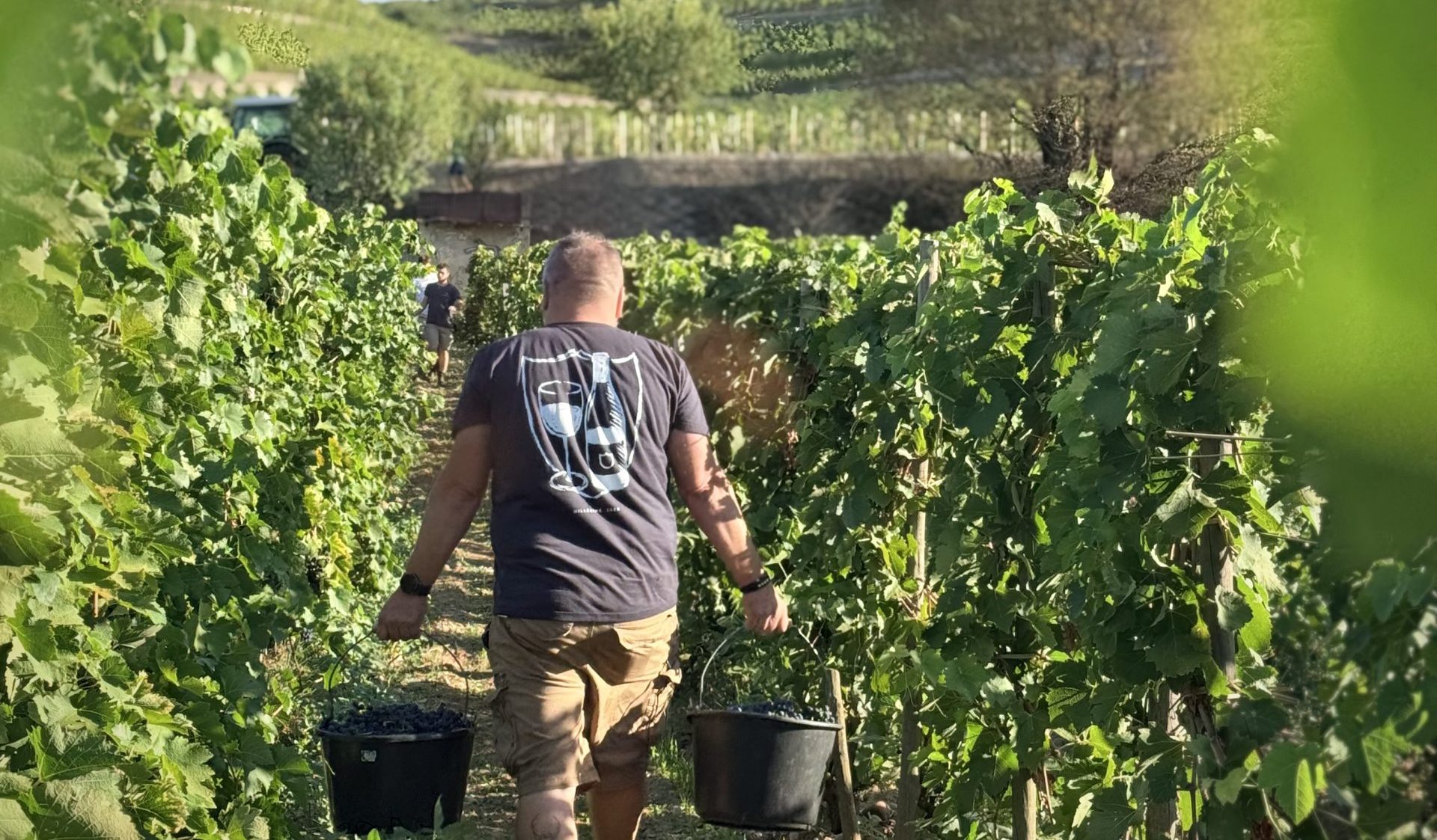
Grape harvest at domaine Sébastien Michelas, in the Hermitage, locality known as Dionnières.
Vintages-harvests
Rhône North: 2026, the year of adaptation?
While Burgundy is bringing in one of the leanest harvests in its history, the Valley of Rhône The north shows decent volumes and promising juices. A paradox for such a heatwave year, which is due to factors specific to the region.
by
Cécile DE BLAUWE
THE
For Fabien Leduc, a consultant at Terroirist, there was nothing miraculous about it: at the end of May, the vines were at their peak thanks to a wet winter, a mild spring, and a very abundant grape set. These factors also allowed them to establish deep roots where water remained available. Small, well-timed storms in July and August did the rest, as did the grape variety itself: "Syrah handles water stress very well; it's heat stress that it doesn't tolerate well," explains Fabien Leduc. And the year's abundant vegetation actually protected the grapes from the sun.
A vintage year of adjustments
The winegrowers, for their part, learned from 2025. Less pruning, less leaf removal, soils left to rest during periods of intense heat. "The goal was really to avoid stressing the vines," explains Sébastien Michelas ( domaine eponymous), which sees 2026 as a "vintage of adaptation". There remains the question The "hairdryer effect," this combination of heat and wind that dries out the vines, especially on hillsides, is a delicate equation, explains Fabien Leduc, because it's necessary to shade the grape bunches without increasing the number of leaves, which transpire and deplete the water reserves. "That's why we will certainly have to review vineyard architecture methods in the coming years," he concludes.
Despite this hot and dry year, François Villard, a winemaker with vineyards ranging from Saint-Péray to Côte Rôtie, observes that Rhône red and white grape varieties have generally withstood the heat well. "I hear talk of very low yields in Burgundy, whereas I expect a good harvest in 2026, probably around 35, or even 40 hl/ha on average, and fairly evenly distributed between Syrah and the various white varieties—Roussanne, Marsanne, and Viognier—all with good, but not excessive, alcohol levels. I haven't found many shriveled or scorched grapes, and I think our grape varieties are probably better adapted to the heat than those found further north, like the..." pinot noir "
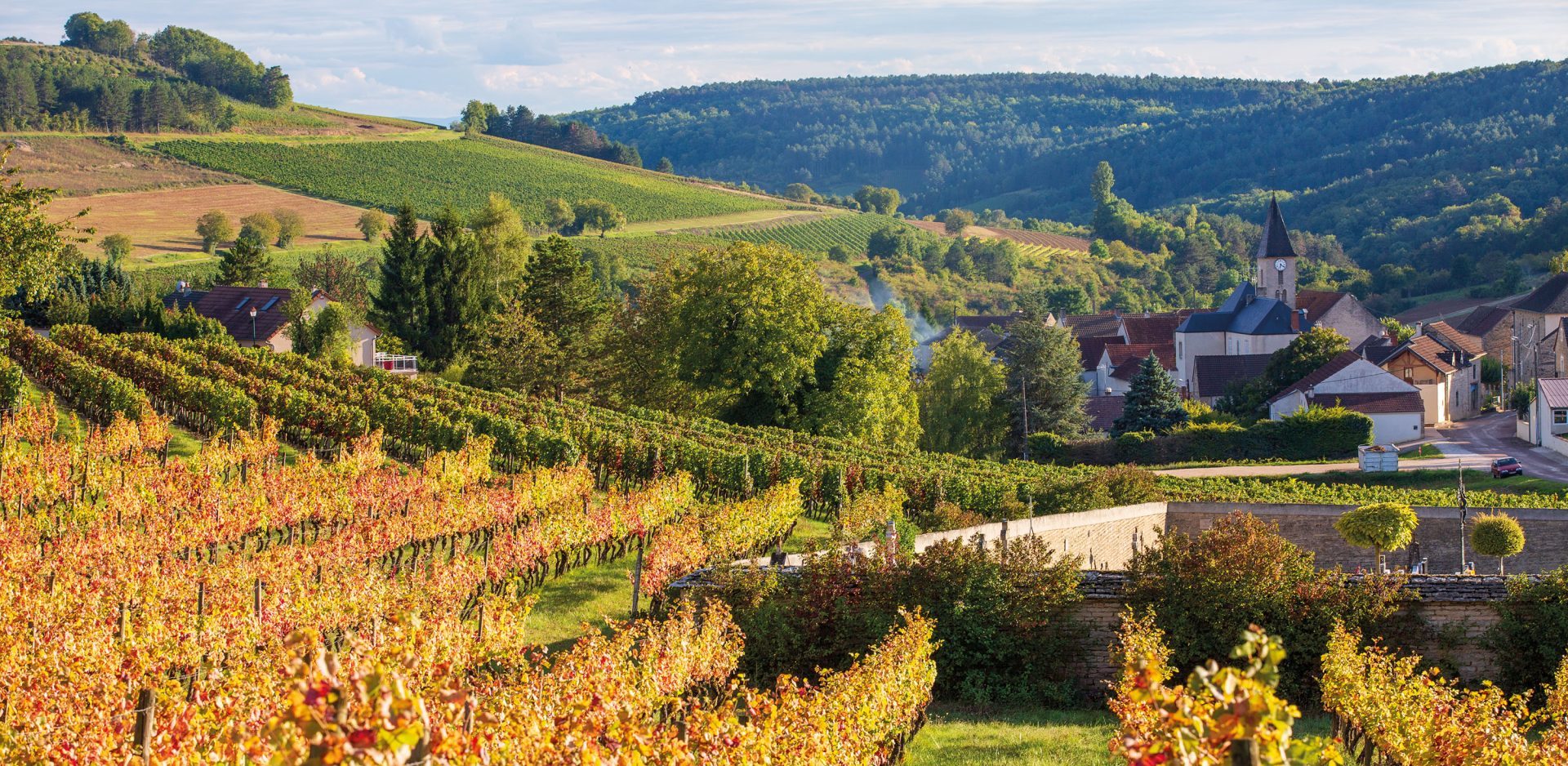
Grape harvest in Cornas.
A style is emerging
In the cellar, the style is already taking shape, although caution is of course still necessary. For the whites, the early harvest has preserved the freshness, fruit, and varietal character of each grape, with acidity levels sometimes a little low, but without any imbalance at this stage. For the reds, the first pressings are colored, fruity, with tannins that are gradually building in intensity. Fermentation will need to be closely monitored given the exceptional conditions of this vintage. "The ripeness levels are between 13.5 and 14.5. It's rained a little in the last few days, which is good, but we'll be careful not to over-extract, I think. I'm wary of the quality of the tannins in these dry vintages. It's clear that the wines won't have the acidity of the 2024s, but I still have 27 hectares to harvest, and many of my colleagues haven't finished either. The grapes are beautiful and healthy, so I'm very optimistic, but we'll see the final result," concludes François Villard. Nothing that can yet be read as a single unit, but 2026 is already shaping up to be a year of adaptation, and perhaps a glimpse of the coming norm.