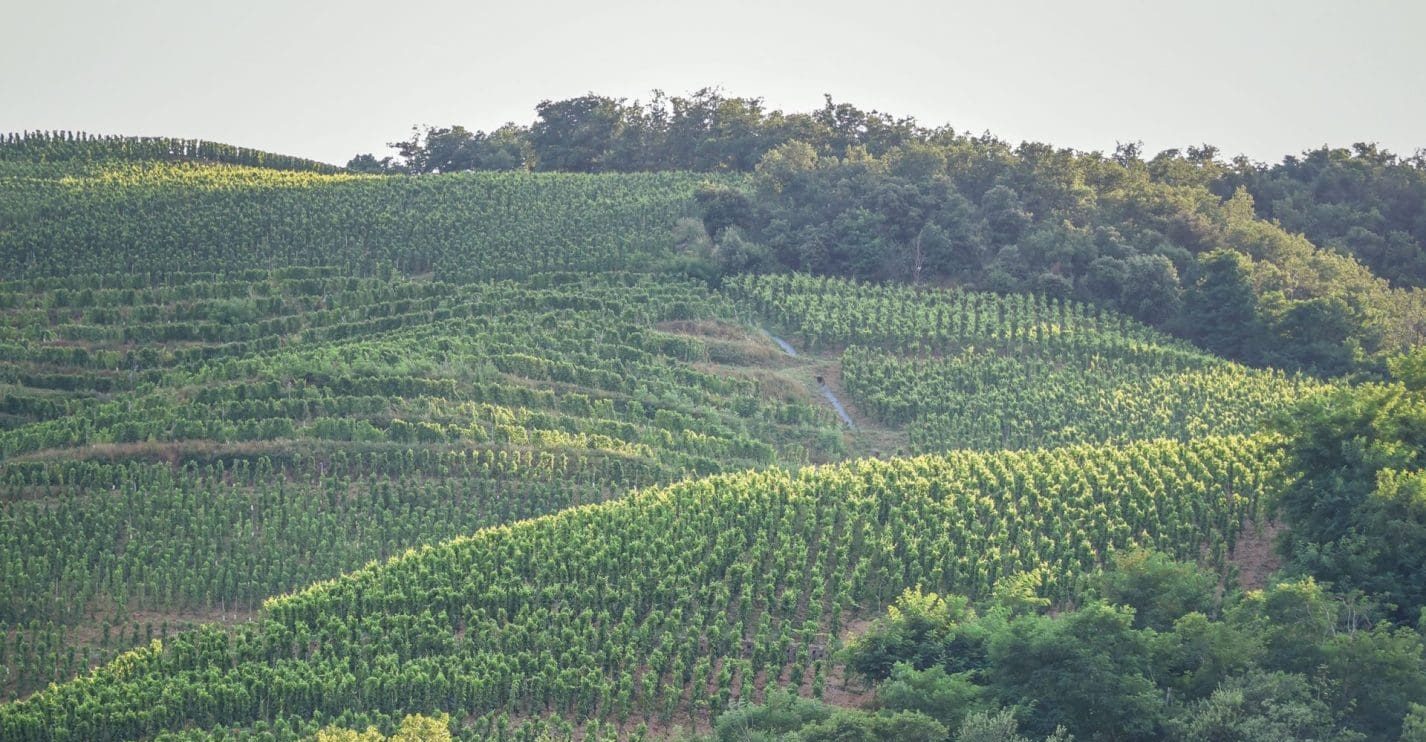
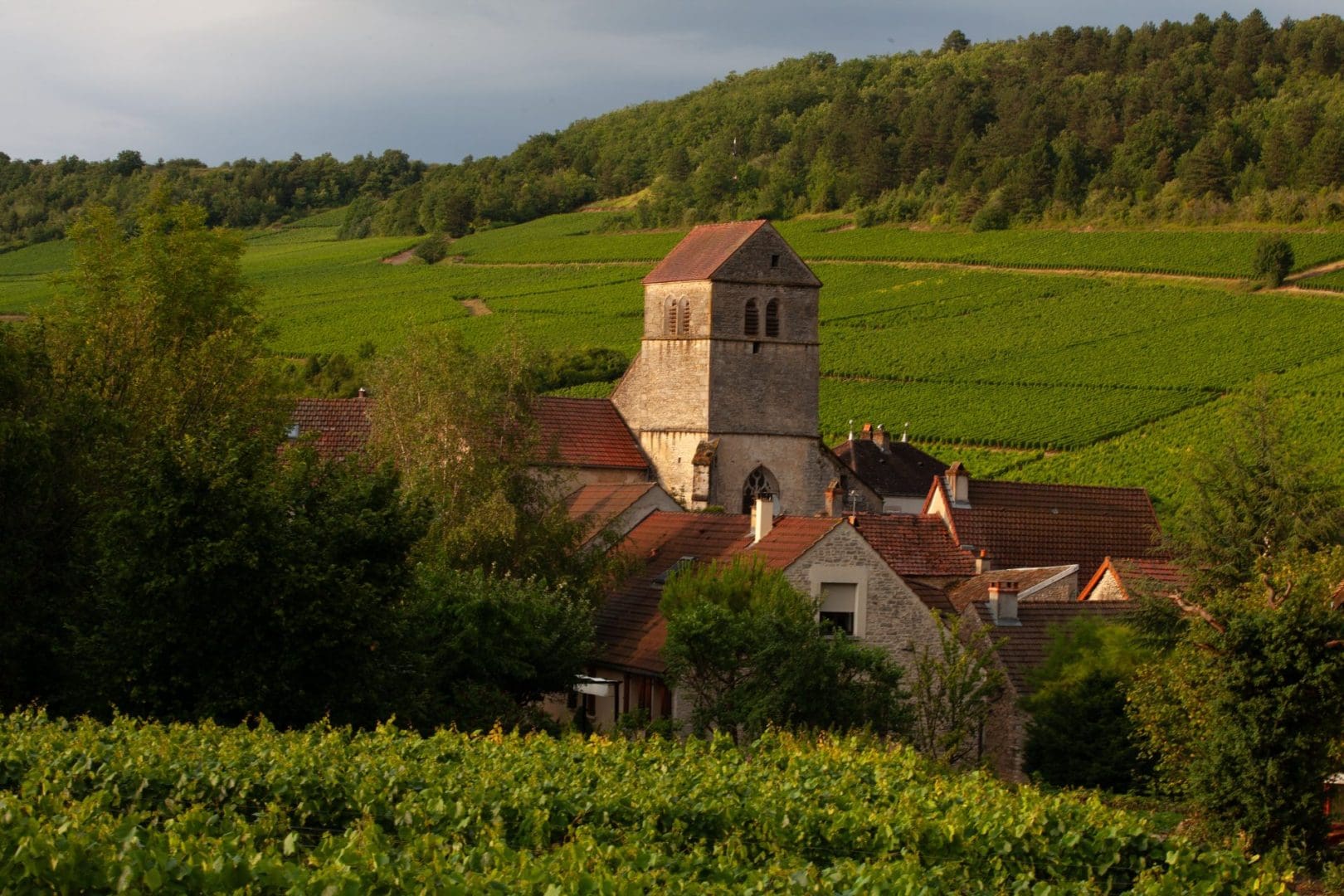
At its inception, Saint-Joseph was a appellation still confidential, limited to approximately 90 hectares spread across six southern municipalities: Vion, Lemps, Saint-Jean-de-Muzols, Tournon-sur- Rhône Mauves and Glun. Very quickly, the question The question arises regarding its expansion; the area is deemed too small by the INAO to allow the AOC to make itself known. In a context where Saint-Joseph is still seeking its place among the crus of the Rhône In the north, the extension then appears as a lever for visibility and development.
In 1969, Saint-Joseph changed scale… in order to exist. The area of appellation extends to twenty new communes, mainly to the north, as far as Chavanay, whose wines were once recognized and marketed under the name "Vin de Chavanay". Further inland, around Saint-Désirat, the sources also attest to a well-established wine-growing presence. The request for expansion, supported by the INAO This initiative is supported by several local stakeholders. According to Christophe Claude, director of the Saint-Désirat winery, his winery and the Sarras winery have played a significant role in this movement. These sectors are therefore seeking to enhance existing wine production by leveraging a AOC recognized. Same grape variety, proximity of terroirs, comparable climatic characteristics: all arguments that contribute to the expansion.
Production has increased fivefold in fifteen years
The expansion also reflects the times. In the 1960s, the economic future of the hillsides seemed uncertain, and mechanization became the dominant agricultural model. Expanding the area therefore allowed for both giving more weight to a appellation still discreet and to integrate plots deemed more compatible with modern cultivation methods. But this new scale opens a more contrasting period. The potential area of land becomes vast, around 6,800 hectares, even if the area actually cultivated remains much smaller. Plantings are carried out gradually and, between 1970 and the mid-1980s, production almost quintuples. In 1986, the foothills and upper slopes suitable for mechanization already represent 37% of the planted vineyard. The risk is then clearly identified: part of the vineyard is moving away from the historical slopes that have built the image of Saint-Joseph and weakening the qualitative homogeneity of the appellation .