
Wine Tourism Rendezvous
Le gamay à l’assaut de la Gen Z
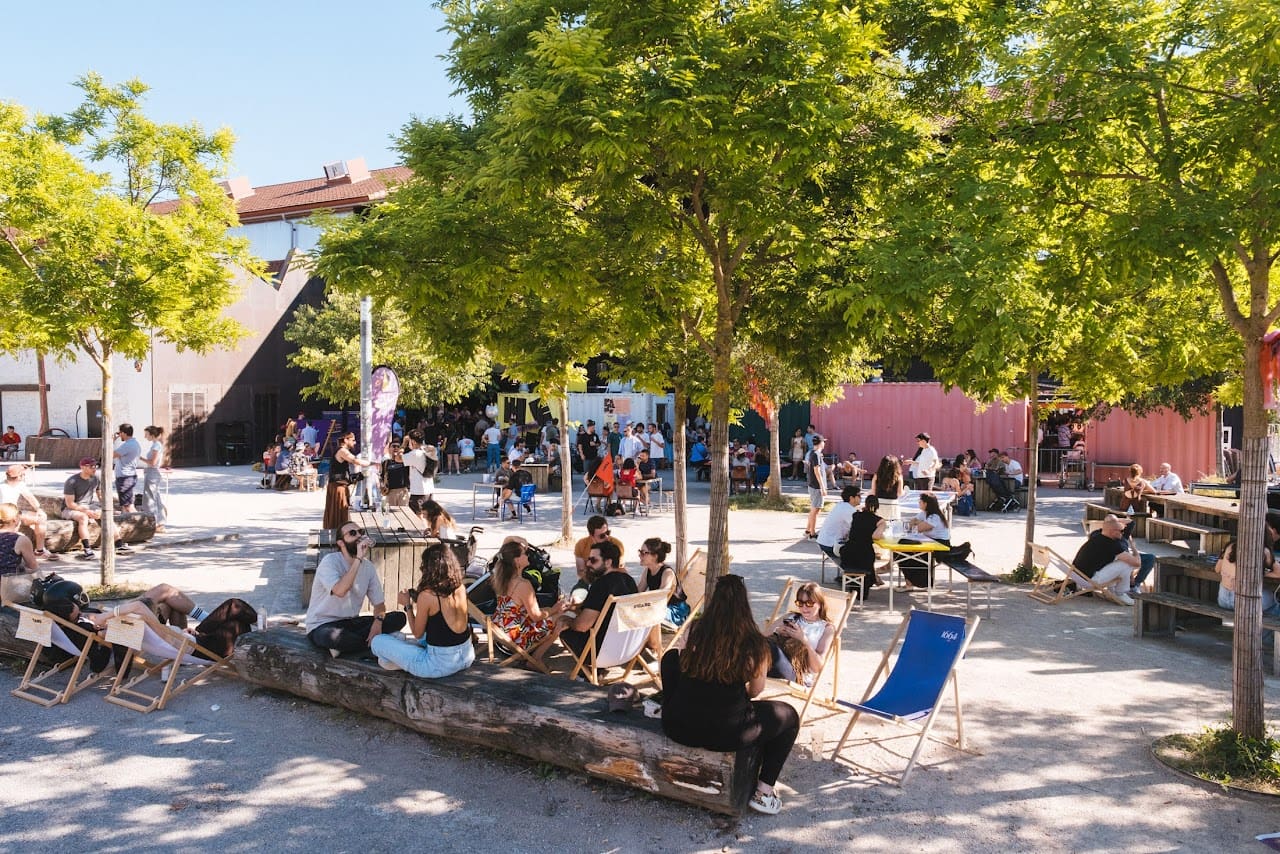
La première édition des Gamays Days s’est tenue durant le week-end de Pentecôte à Confluence (Lyon), dans une ambiance chill.

L’Écume Gourmande à Cercié

GOOD AND GOOD FOR YOUR HEALTH
BUYING GUIDE
CASE
GASTRONOMY
Rémi Genot - By the Bell Tower


1765! The "Lavalle"* announces the grape harvest on September 25th at Beaune , a rather early date for the time, but it is difficult to know more about the quality of the wines that year, when we find the first written record of a Rapet, a winegrower in Pernand, today Pernand-Vergelesses , in Côte de Beaune .
Of course, we have to go back to a more recent date, the 1930s, to date the real takeoff of domaine with the launch of bottling by Robert Rapet. It can be said that each of the following generations, Roland, Robert's son, who arrived at the end of the 1950s, then Vincent, Roland's son, at the domaine family members since the mid-1980s have contributed to the construction of this domaine emblematic; and Vincent's sons, Robin and Louis, who have just set foot there, are already showing the same intention to do the same.
Common sense peasant
For more than half a century, successive generations have continually expanded a domaine which today covers twenty-four hectares, but was only thirteen in the 1950s, through a series of purchases, Beaune One Hundred Vines by Robert, The Clos of the King, the White Flowers, to Beaune always, but also some aloxe - corton For Roland, Champs Pimont, Cent Vignes and Île des Vergelesses for Vincent, but also (re)plantings: 1945 in Corton - Charlemagne , 1956 in Île des Vergelesses, 1962 in Corton , 1966 in Sous Frétille… “It should also not be forgotten that after the phylloxera epidemic, many hillsides in Pernand were abandoned and remained fallow for a long time, such as in Les Combottes or Les Cloux, in appellation villages "but also in some premier crus," explains Vincent.

Roland Rapet gradually developed his bottling process from the 1950s and 60s onwards, inheriting ancestral know-how, but also using equipment and techniques that were still largely empirical. This didn't prevent him from already possessing a keen sense of a reality sometimes forgotten by some today, where commerce is so easy: namely, that to sell well in bottles, wines must be good. An example of this down-to-earth common sense and concern for quality: since the 1950s, the domaine The grapes are harvested in crates to avoid compacting them.
Heavy investments to switch to organic
The arrival of Vincent Rapet coincided with a new era for Burgundy, marked by booming trade both domestically and internationally, and a meteoric rise in estate bottling driven by a younger generation open to technical innovations and eager to put their own stamp on their wines. In 1991, the domaine invested in a pneumatic press, five years later in a conveyor belt to gently move the grapes, began green harvesting in 1999 and in 2004, the sorting table made its way into the winery.
In the vineyard, after a gradual evolution (HVE in 2017, Terra Vitis in 2018), the domaine began its conversion to organic farming in 2020. "At first, we wanted to test around the houses, but that still represents four hectares, so the very favorable weather year finally allowed us to convert the entire farm to organic." domaine "In organic farming. We had to invest in spraying equipment, a tracked vehicle, a powder sprayer... €100,000 in total, but in Pernand, the hillsides are steep, you need good equipment and then with the arrival of Robin and Louis, things became easier and the team immediately embraced the approach," assures Vincent.
In the cellar, the white wines are vinified and then aged on their lees for about a year, mostly in 350-liter barrels, then, for the Premier Crus and the corton - charlemagne , placed in vats, always on lees, for three months before bottling.
One third of whole grapes
In wine rouge , THE domaine They vinify with an average of one-third whole clusters. “My father already did it, and I continue in this way, unless the year doesn't allow it, like 2013. Initially, it was to avoid having too much juice at the start and the alcoholic fermentations getting out of hand, whereas today it's mainly to add complexity,” explains Vincent. Robin has now taken over, limiting the pre-maceration phase to two or three days, compared to a week previously, and using sulfur-free vinification, “with the aim of obtaining fuller-bodied wines, freer, more expressive fruit.” The concept of wines for aging is also part of their DNA. maison and you can even still buy some magnums of 2015 at the cellar, "even if producing wines that age is not synonymous with wines that are harsh in their youth," adds Vincent.
Text : Christophe Tupinier Gilles Trimaille
Photographs: Thierry Gaudillère
*In the work "History and statistics of the vine and great wines of the Côte-d'Or", by Doctor MJ Lavalle, published in 1855.
Reference points
Head office: Pernand-Vergelesses Coast of Beaune (21).
Managers: Vincent Rapet, his wife Sylvette, their sons Robin and Louis.
Domaine certified in organic farming of 24 hectares: 13 in red wines and 11 in whites.
50% of the surface area is located on Pernand-Vergelesses .
Flagship appellations: Grand Cru wines Corton - Charlemagne And Corton , Beaune Premier cru red wines, Pernannd-Vergelesses, Premier cru wines, villages white and red.
Tasting
Time travel
Introducing: Preserving old vintages is a long-standing tradition at Rapet. This is illustrated by a superb vertical tasting from 2022 to 1964, featuring wines from all appellation levels.
Old vintage red wines
Aloxe - Corton 2005 – 91/100
In this beautiful dry vintage, the nose is very expressive, with notes of red fruit marmalade (redcurrants and strawberries), complemented by a subtle floral note (tuberous pea) and sweet spices. The palate is delightful, with a fresh texture, structure, spicy tannins, and a lovely fleshiness that brightens the delicate fruitiness. A wine that has aged very well.
Pernand-Vergelesses 2005 – 92
A superb nose, pure, refined, and complex, with toasted and smoky aromas evolving towards ripe strawberry, raspberry, and pink peppercorn. The palate is silky and full-bodied with very delicate tannins, revealing notes of raspberry and pepper. A true delight.
Aloxe - Corton 1999 – 91
The raspberry color shows no signs of aging. The initial, intensely spicy nose evolves into notes of red fruit ice cream, followed by aromas of toast and fresh leather. The palate reveals peaty notes, along with lovely spice. The tannins, still dense and firm, support the finish.

Pernand-Vergelesses premier cru Les Vergelesses 1999 ( magnum ) – 93
This cuvée This wine comes from vines planted in 1940, 1960, 1977, and 1986. Its intense color hints at a still compact, tightly structured nose, built around dense, tangy, and fresh fruit aromas of redcurrants and rosehip jam, evolving into peony and ripe raspberry. The complexity of the nose is confirmed by a dense, fleshy palate, bursting with fruit, offering aromas of strawberries, pepper, and leather, supported by fine, delicate tannins. A rich wine with remarkable length, it has aged beautifully. Propelled by a refreshing acidity, it combines depth and refinement.
Pernand-Vergelesses premier cru Île des Vergelesses 1988-91
This cuvée The grapes were harvested at the end of September. The initial aromas are of wild bramble, sweet spices, and blueberry. The palate reveals beautifully structured tannins, still somewhat reserved, with finesse, depth, and a lovely salinity carried by the vintage's final freshness.
Corton grand cru 1988-91
Made from a blend of grapes from the Voierosse and En sectors Charlemagne , This corton The slightly orangey rim reveals a very fruity nose with aromas of wild strawberries and raspberries evolving towards lemon balm, paprika, cocoa bean, and roasted notes. On the palate, menthol notes and a citrus freshness (blood oranges) are combined with fragrances of fresh leather and peat. A noble wine that still possesses a beautiful volume.
Beaune premier cru Clos du Roi 1985-94
This sandy area is very early-ripening, as in the 1985 vintage when it was the first to be harvested, on September 24th. The nose reveals a delicate floral bouquet, mingling notes of peony and sweet spices, immediately showcasing the class of this wine. cuvée The palate is fleshy and opulent, with a gentle sweetness that evolves into a tender, delicate finish. A highly seductive wine, with length and a beautiful brilliance. Balanced by the natural power of its terroir, the cuvée is remarkably elegant.
Pernand-Vergelesses premier cru Île des Vergelesses 1985-93
This wine, harvested four days after the cuvée The previous vintage offers the same character with floral, sweet notes (soapwort, vetchling) evolving towards cooked raspberry. The palate is taut and serious, with spicy tannins. The floral and raspberry notes reappear on the finish, with a lovely, fresh, and spicy length.
Aloxe - Corton 1978 – 93
We are talking about a simple appellation village This wine, from a very windy area, was harvested on October 7th, in perfect condition. The initial nose is superb, revealing candied fruits (Morello cherries, raspberries), floral notes that then evolve towards fresh leather. This refined, round, and smooth nose heralds a rich, full, velvety palate with fleshy tannins, where floral and fruity notes (black cherries) and sweet spices reappear. A flavorful, fresh wine with a beautiful length.
Pernand-Vergelesses premier cru Les Vergelesses 1978 – 93
The vintage's excellent reputation is confirmed once again with this cuvée and the previous one. This Pernand was harvested three days after the aloxe - corton and clearly reveals a certain climatic kinship. Floral and fruity aromas (wild raspberries and blackberries) are present, along with sweet spices, leather, and fresh peat. The palate is both vibrant and refined, with fine, rounded tannins supported by a lovely fruit sweetness, and a licorice-tinged, spicy finish that adds length. A juicy, crisp, and very seductive wine.
Pernand-Vergelesses premier cru Les Vergelesses 1964 – 94
Harvested on September 18th, this cuvée It offers a delightful nose of spice, floral notes, sweet and delicate, evolving towards hints of pollen and aged leather. The palate, beautifully fresh, reveals pleasant floral and fruity notes, finishing with subtle woody hints of sandalwood and paprika. A distinguished, elegant wine that has aged magnificently. The fine grain of its tannins delivers an expression of... pinot noir Elegant, smooth and captivating. What a delicate texture!
Corton grand cru 1964 – 96
This vintage displays the blood orange, almost ferruginous notes that were already present in more recent vintages. The nose also evokes rosehip jam and powdery rose. The palate is superb: dense, powerful, and fleshy, with freshness, smoky, spicy, and floral notes (peonies and tuberous vetchlings) that lend considerable class to this wine. cuvée A model of its kind! This is a wine that shines with a fantastic aromatic dimension and whose aging potential fully justifies its ranking. grand cru .
Old vintage white wines
Pernand-Vergelesses premier cru Sous Frétille 2014 – 94
2014 has always been a great benchmark for Chardonnay lovers in Burgundy. cuvée This is fully confirmed with a nose initially marked by a slight reduction, which quickly evolves towards citron, linden, lemon balm, and light toasty notes (Sikkim tea). The palate is fresh, dynamic, marked by a beautiful mineral tension (salinity) where citrus notes (bergamot and kumquat) reappear, bringing considerable depth and energy. A cuvée fully blossomed, which recalls the strength of its origins.
Corton - Charlemagne grand cru 2014 – 98
This cuvée This wine comes from vines planted in 1945 and 1950 (20%), 1986, 1987 and 1988 (75%), and 2018 (5%). The delicate and pure nose is redolent of candied fruit and citrus (citron, bitter orange) before revealing floral and sweet notes (cleavers). blanc and sweet woodruff), with a delicate buttery touch. The palate is perfect, pure, chiseled, full, taut, with astonishing energy and mineral precision. Masterful!

Pernand-Vergelesses premier cru Under Frétille 1995 – 93
This cuvée This wine, from vines planted in the 1960s on the upper slopes of the vineyard, was harvested on September 25th. The initial nose reveals a subtle reduction, with toasty and floral notes (honeysuckle and white bedstraw), which then evolve towards citrus. On the palate, these ripe, jammy citrus notes reappear, along with a soft, sweet floral character. A vibrant, fresh, ripe, and juicy wine with beautiful harmony.
Corton - Charlemagne grand cru 1995 – 96
This grand cru is made from 95% vines planted in the locality known as En Charlemagne (on Pernand-Vergelesses ) and 5% on The Charlemagne (on Aloxe - Corton The class of this wine is evident from the first sniff, with its remarkable purity and richness, where citrus and candied fruit mingle, complemented by subtle toasty notes. The palate is still reserved, dense, concentrated, and powerful, with a chalky, mineral finish that remains very fresh. A model of its kind!

Wine Tourism Rendezvous
La première édition des Gamays Days s’est tenue durant le week-end de Pentecôte à Confluence (Lyon), dans une ambiance chill.
Tastings
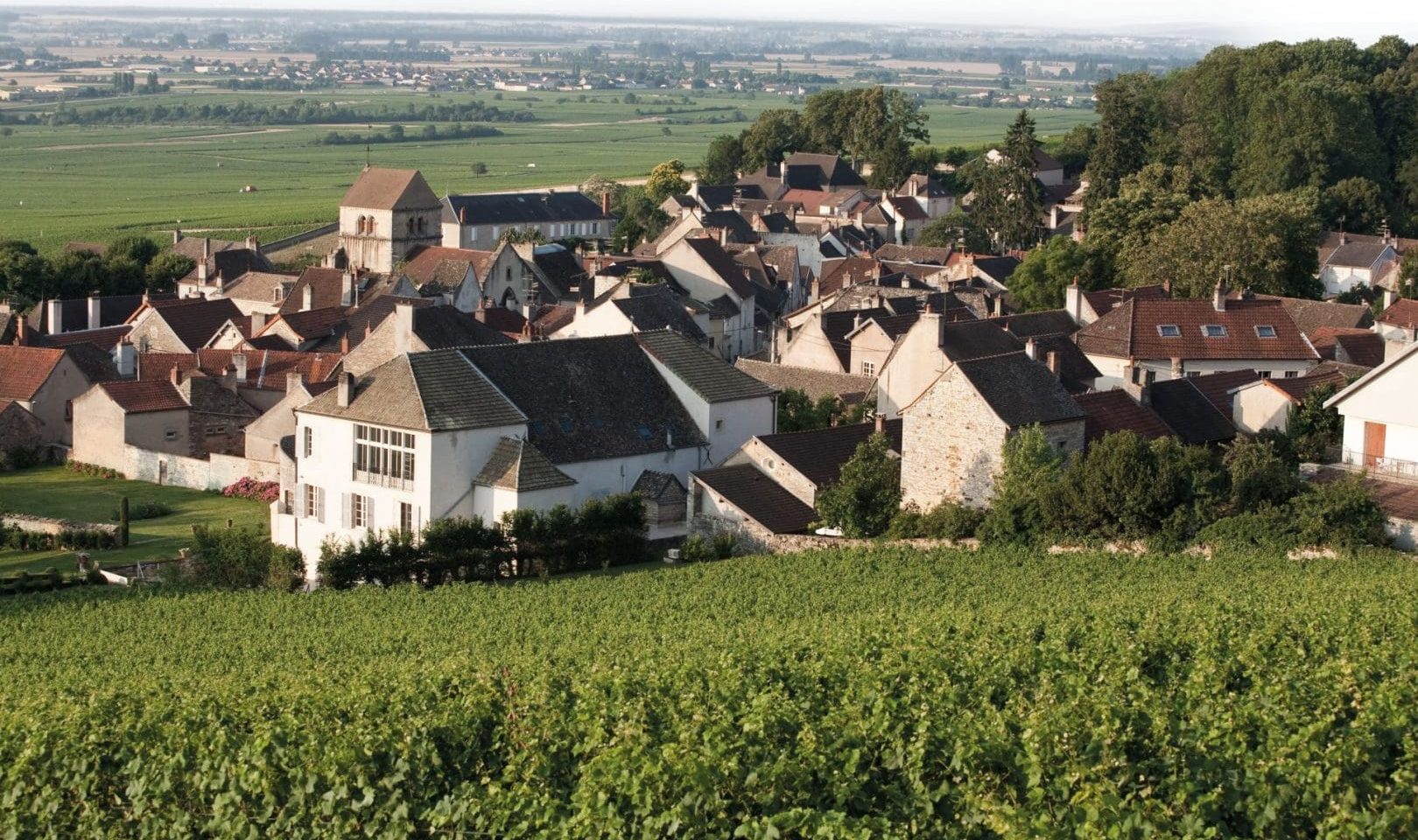
Il faut se méfier des réputations. 2024 a donné des sueurs froides aux producteurs bourguignons et son image ne fait pas saliver les amateurs. Pourtant, ce millésime compliqué se révèle très réussi à Volnay. Une éclatante surprise.
Bourgogne Aujourd'hui
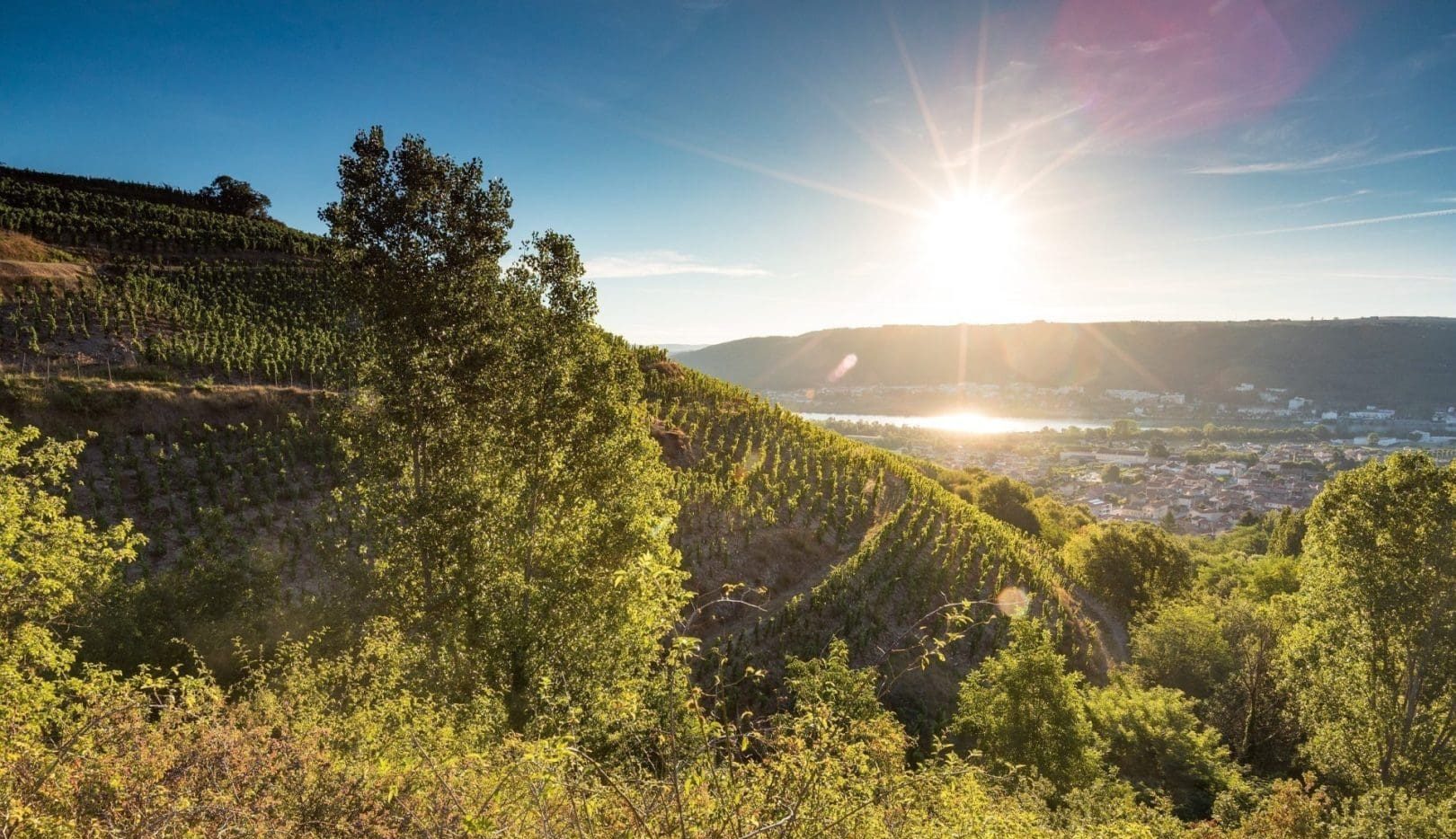
Impossible de comprendre l’appellation Saint-Joseph sans lever les yeux. Depuis la rive droite du Rhône, elle se lit d’abord par le paysage : des coteaux granitiques vertigineux, des pieds de vigne conduits sur échalas, implantés sur d’étroites terrasses appelées chaillées, où la terre est retenue par des murets en pierres sèches. Ici, produire du vin relève […]


